
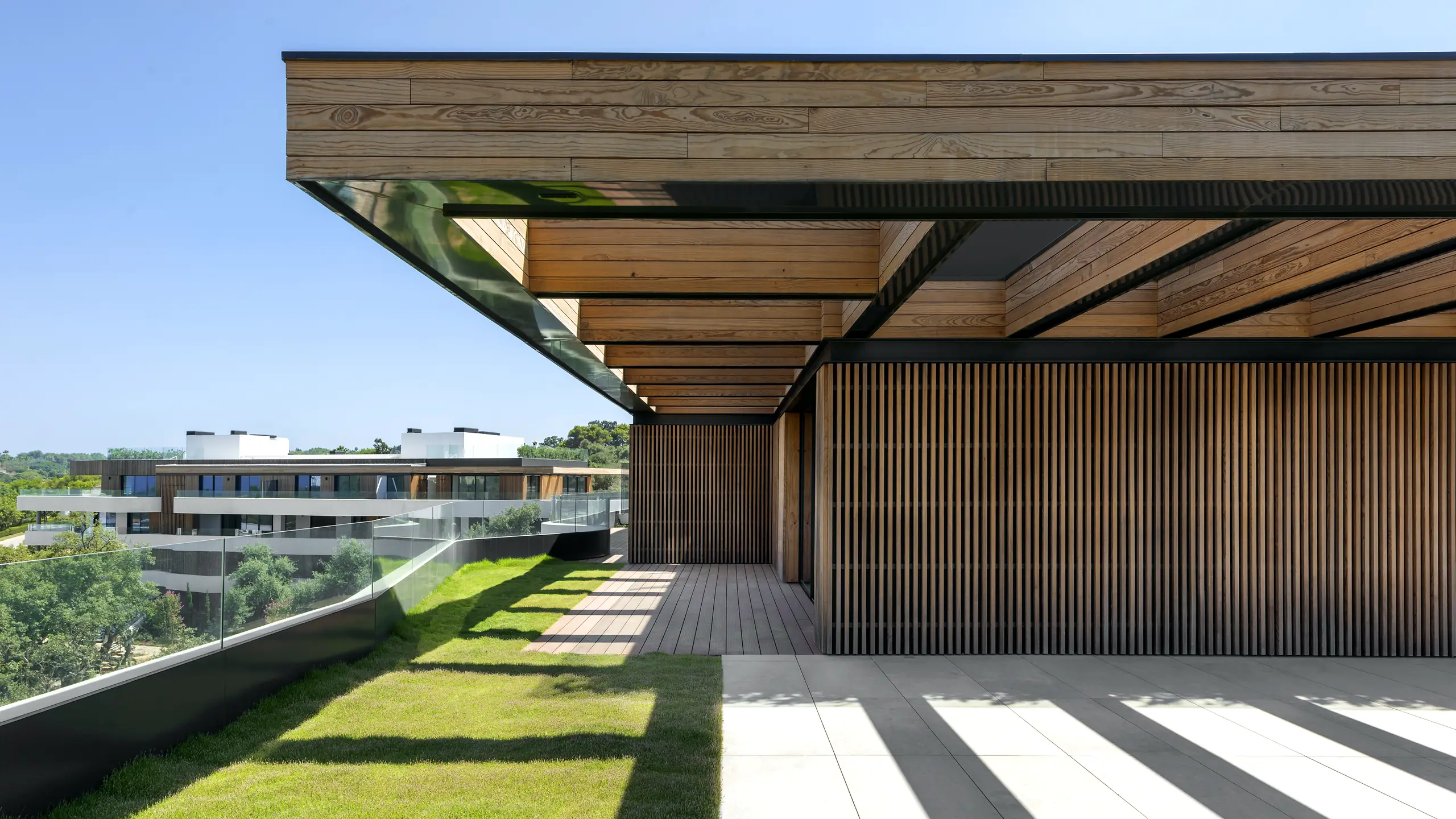
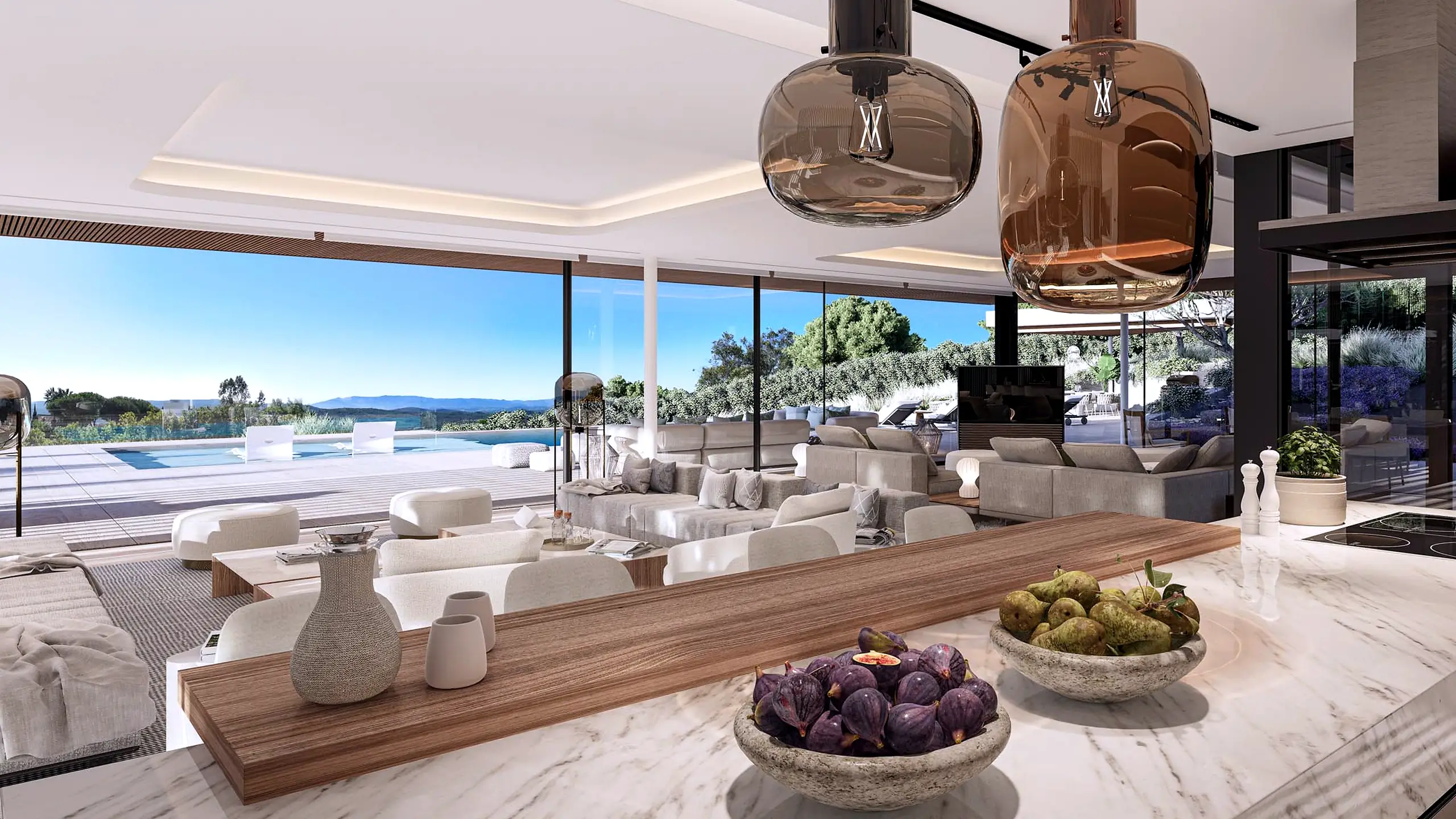
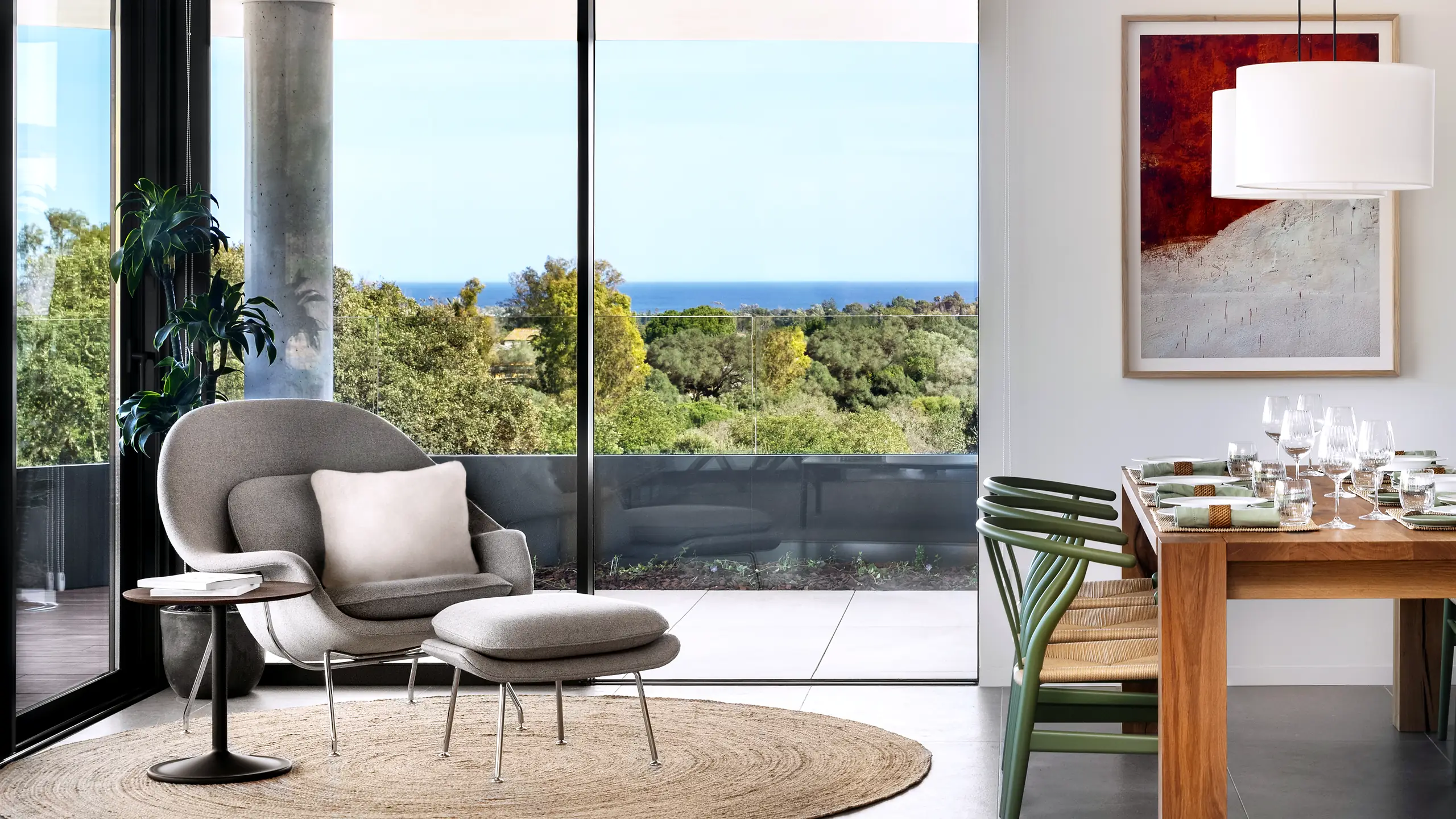
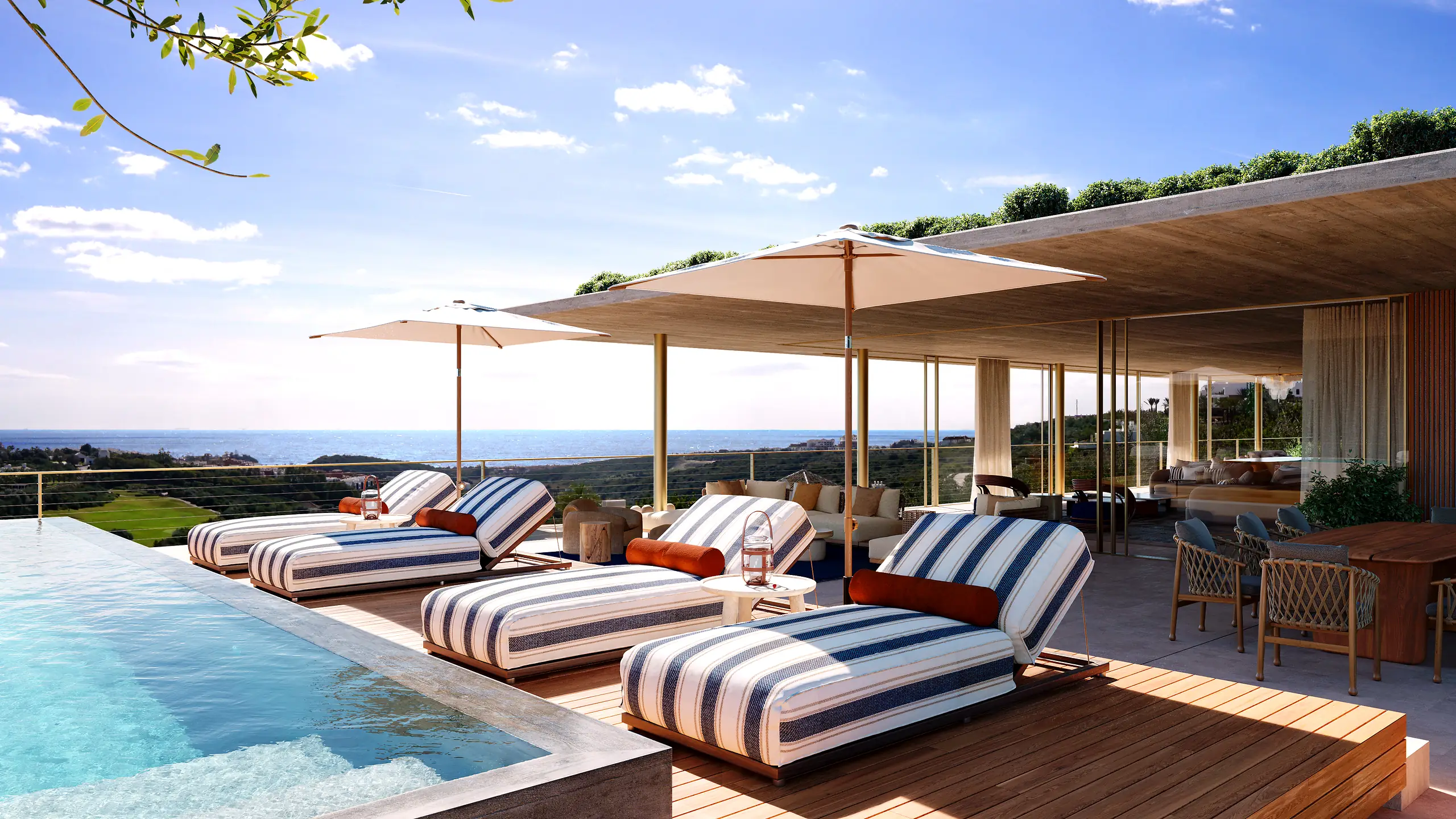

Detached Villa
€720,000- Bedrooms
- 6
- Bathrooms
- 4
- Plot
- 400 m²
- Built
- 300 m²
- Terrace
- 300 m²
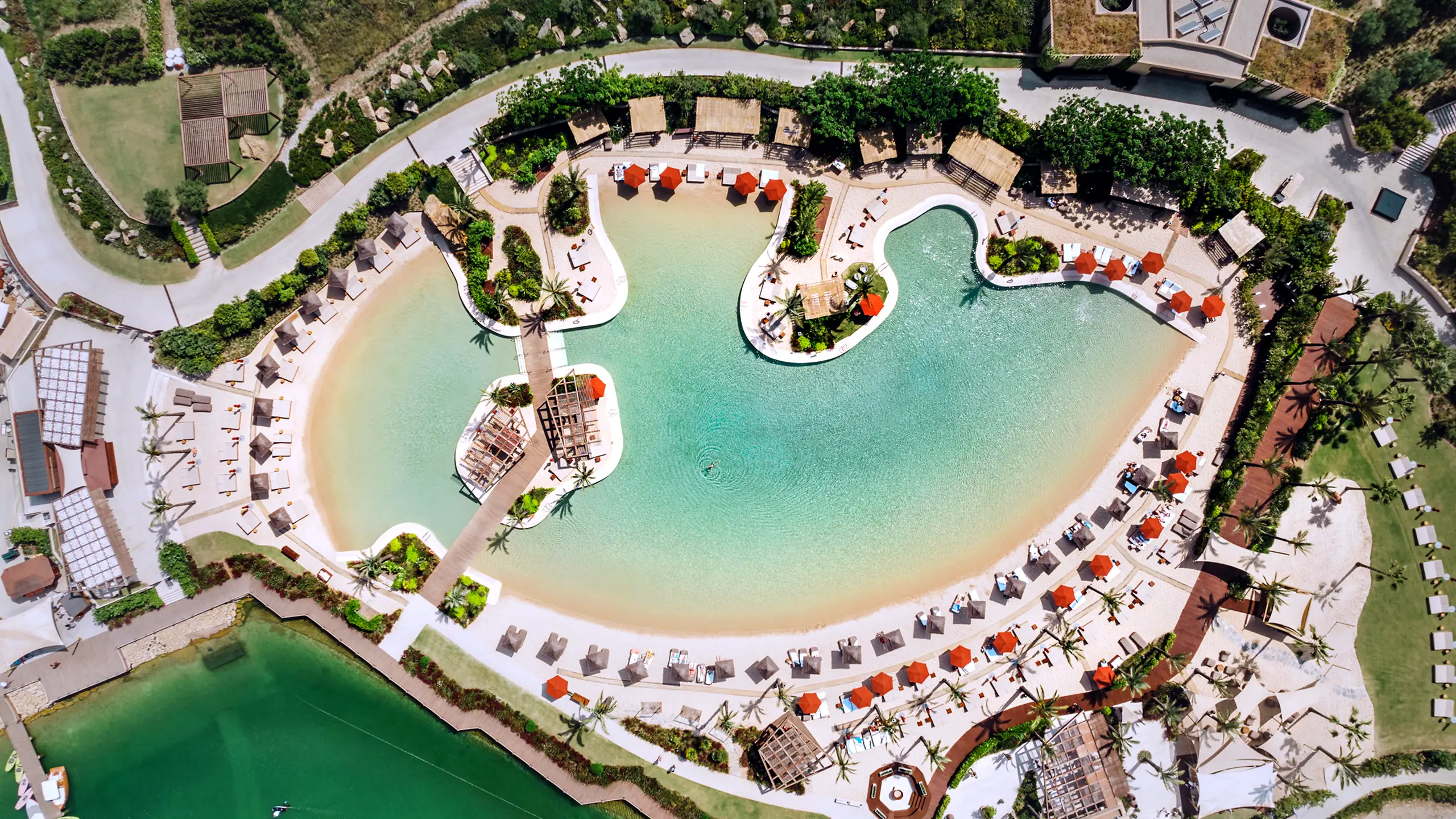
Malaga's inland heartland, where traditional village life, fertile landscapes, and practical connectivity converge.
Valle del Guadalhorce: Málaga's Fertile Heartland
Long before the Costa del Sol's coastal strip became synonymous with sun-drenched tourism, the valley behind it was already thriving. Known locally as la olla de Málaga, Málaga's cooking pot, the Valle del Guadalhorce has nourished the province for millennia, its citrus groves, olive orchards and market gardens fed by the river that gives the comarca its name. Today, this fertile crescent of eight municipalities is drawing a different kind of attention: from buyers seeking the authentic Andalusian countryside life that the coast can no longer offer, at a fraction of the price, and only minutes from the beach.
The Valle del Guadalhorce is not a single town but a comarca, a cluster of eight municipalities threaded along the Guadalhorce river and its tributaries, stretching from the outskirts of Málaga city westward into the foothills of the Sierra de las Nieves. The principal towns are Coín, traditionally the comarca's commercial heart; Alhaurín el Grande, perched on the northern slopes of the Sierra de Mijas; Álora, a whitewashed hilltop village crowned by a Phoenician-era castle; Cártama, the gateway from the coast; Pizarra, quiet and agricultural at the valley's centre; Alhaurín de la Torre, the most urban and closest to Málaga; Almogía, flower-filled and mountainous; and Valle de Abdalajís, tucked beneath the dramatic Sierra de Huma.
Each has its own character. Coín is practical and bustling, with a substantial market, the La Trocha shopping centre, and a working-town energy. Alhaurín el Grande blends Moorish heritage with a growing international community: the British hispanist Gerald Brenan spent his final years here. Álora, perhaps the most picturesque of all, feels like a pueblo from another century, its narrow streets climbing toward the ruins of a castle that has watched over the valley since the Phoenicians first settled these hills.
The valley's greatest practical advantage is its position: inland enough to feel genuinely rural, yet remarkably well connected. Málaga Airport (AGP) is just 27 min by car depending on which town you're heading to, via the A-357 motorway that cuts through the heart of the comarca. Alhaurín de la Torre is closest at roughly 15 kilometres; Álora, the furthest principal town, sits around 40 kilometres northwest.
The A-357 connects to the AP-7 coastal motorway, placing Marbella within 40 minutes and Fuengirola within 25 minutes of most valley towns. A relatively new road linking Alhaurín el Grande directly to Fuengirola has cut beach access to just 20 minutes. The Cercanías commuter rail line (C-2) connects Álora, Pizarra, Cártama and Alhaurín de la Torre to Málaga city centre and the airport, offering a car-free option that many residents use regularly.
“Long before the Costa del Sol's coastal strip became synonymous with sun-drenched tourism, the valley behind it was already thriving.”
The valley is framed by mountains on almost every side (the Sierra de Mijas to the south, the Sierra de las Nieves National Park to the west, and the dramatic Desfiladero de los Gaitanes gorge to the north), creating a natural amphitheatre with its own notably mild microclimate. Winters here are among the warmest in the province, and the combination of altitude, shelter, and river moisture produces an almost subtropical growing environment.
The Sierra de las Nieves, declared a UNESCO Biosphere Reserve in 1995 and upgraded to full National Park status in 2021, is the valley's most significant natural neighbour. Home to the rare pinsapo Spanish fir, Iberian ibex, and peaks exceeding 1,900 metres, it provides a wilderness backdrop that feels worlds away from the coast, yet the beaches of the Mediterranean are visible from many of its viewpoints.
Then there is the Caminito del Rey, the famous boardwalk suspended 100 metres above the Guadalhorce river as it carves through the Gaitanes gorge. Once dubbed the world's most dangerous walkway, it was painstakingly restored and reopened in 2015, winning a Europa Nostra conservation prize. It now draws around 300,000 visitors annually to the northern reaches of the valley, with the trail running between the municipalities of Ardales and Álora.
The valley's sporting life reflects its landscape. Two notable golf courses anchor the area: Alhaurín Golf, an 18-hole course designed by Severiano Ballesteros on a hillside overlooking both the Sierra de Mijas and the Mediterranean; and Lauro Golf, a 27-hole complex designed by Folco Nardi, set between Alhaurín de la Torre and Alhaurín el Grande. Lauro's clubhouse occupies a converted Andalusian cortijo, and the complex includes padel courts, a swimming pool, a bowling green, and an equestrian centre, a genuine country club in the truest sense. The Guadalhorce Club de Golf near Málaga adds a further option within easy reach.
Equestrian culture runs deep here. The valley is dotted with riding schools and livery yards, many catering to international residents who keep horses on their finca properties. The Andalusian landscape (citrus-lined trails, river crossings, mountain paths) makes for exceptional riding territory. Hiking and mountain biking routes are plentiful, from gentle riverside walks along the Guadalhorce to serious ascents into the Sierra de las Nieves. Paragliding enthusiasts are drawn to Valle de Abdalajís, one of the premier launch sites in southern Spain.
If coastal dining tends toward international fusion, the valley's culinary identity is unapologetically local. The cuisine revolves around what grows here: tomatoes, peppers, citrus, olives, almonds, and the prized aceituna aloreña, the valley's own denomination-of-origin table olive, cured in brine with garlic, thyme and fennel.
Álora's signature dish, sopas perotas (a humble bread-based stew of tomato, pepper, garlic, mint and saffron) is celebrated each October at the Día de las Sopas Perotas, a gastronomic festival that draws thousands. Coín hosts its own Fiesta de la Naranja, honouring the citrus groves that define the landscape. Each town's weekly market overflows with seasonal produce, and Coín's, held on Wednesdays, is one of the largest in the province.
The valley's organic agriculture sector has tripled in size over the past decade, and agritourism experiences, from citrus grove tours to olive oil tastings, have become a growing part of the local economy. Several olive mills welcome visitors for tours and tastings of locally pressed extra-virgin oil.
“Every valley town holds its own annual feria, typically between June and August, with Álora's five-day celebration in early August among the liveliest, complete with equestrian displays, flamenco, verdiales folk music unique to the Málaga province, and casetas that stay open until dawn.”
Every valley town holds its own annual feria, typically between June and August, with Álora's five-day celebration in early August among the liveliest, complete with equestrian displays, flamenco, verdiales folk music unique to the Málaga province, and casetas that stay open until dawn. The Festival de Verdiales, a celebration of this ancient Moorish-influenced folk tradition, remains one of the most distinctive cultural events in the region. Semana Santa (Holy Week) processions through the narrow streets of Álora and Coín are atmospheric, smaller-scale affairs compared to the grand spectacles in Málaga city, but no less sincere.
The valley's practical infrastructure has improved markedly in recent years. The Hospital Valle del Guadalhorce, located in Cártama on the A-357, opened as a modern public facility providing emergency services, surgical capabilities, outpatient clinics, and diagnostic testing. It serves residents across all eight municipalities and has eased the pressure on Málaga's larger hospitals. Each town maintains its own centro de salud for GP and primary care services.
International school options include Novaschool Sunland International in Estación de Cártama, within the valley, alongside St Anthony’s College and Sunny View School in Torremolinos; all follow British curricula. The town of Alhaurín el Grande is served by well-rated Spanish state schools including CEIP Emilia Olivares and IES Fuente Lucena. Many private schools offer bus services reaching into the valley.
What distinguishes the Valle del Guadalhorce property market from the coast is both its character and its scale. This is finca country: traditional farmhouses on generous plots, often with their own water supply, mature fruit trees, and stabling. Renovated cortijos with private pools sit alongside contemporary villas on gated urbanisations such as those around Alhaurín Golf. Properties routinely come with a hectare or more of land, something virtually impossible to find on the coastal strip at any price.
The expatriate community, predominantly British, Scandinavian, and northern European, is established but not dominant. Towns like Alhaurín el Grande and Coín have a visible international presence (English-language bookshops, networking groups, charity organisations like Age Care), yet the fundamental character remains Spanish. This is not the Costa del Sol of all-day English breakfasts and Irish pubs. The pace of life is slower, the social calendar revolves around ferias and market days, and a working knowledge of Spanish, while not essential for daily survival, enriches the experience immeasurably.
Daily life here follows a rhythm set by the seasons rather than the tourist calendar. Morning coffee is taken in a plaza café; the market determines the evening menu; a winter walk might take you through almond groves that burst into blossom in late January, transforming the hillsides. The coast is close enough for a spontaneous beach day, Málaga's cultural riches (the Picasso Museum, the Pompidou Centre, the Thyssen) are under half an hour away, and yet the view from your terrace is of mountains, orchards, and a sky undimmed by streetlights.
The Valle del Guadalhorce is not for everyone. It requires a car. It demands a willingness to engage with Spanish bureaucracy and the occasional unpredictability of rural infrastructure. It asks you to slow down. But for those seeking space, authenticity, and the kind of deep-rooted Andalusian life that the coast has largely left behind, this valley, Málaga's oldest garden, may be the most rewarding corner of the Costa del Sol to call home.
Before you buy, read what buyers actually pay in taxes and fees, and our viewing checklist.
Homes for sale in Valle de Guadalhorce, kept up to date by Purcell Properties.
The map is from Google Maps, which uses cookies.
Explore nearby communities and other settings on the Costa del Sol.


