

Residential Plot
€1,400,000- Plot
- 1800 m²
- Built
- 2253 m²
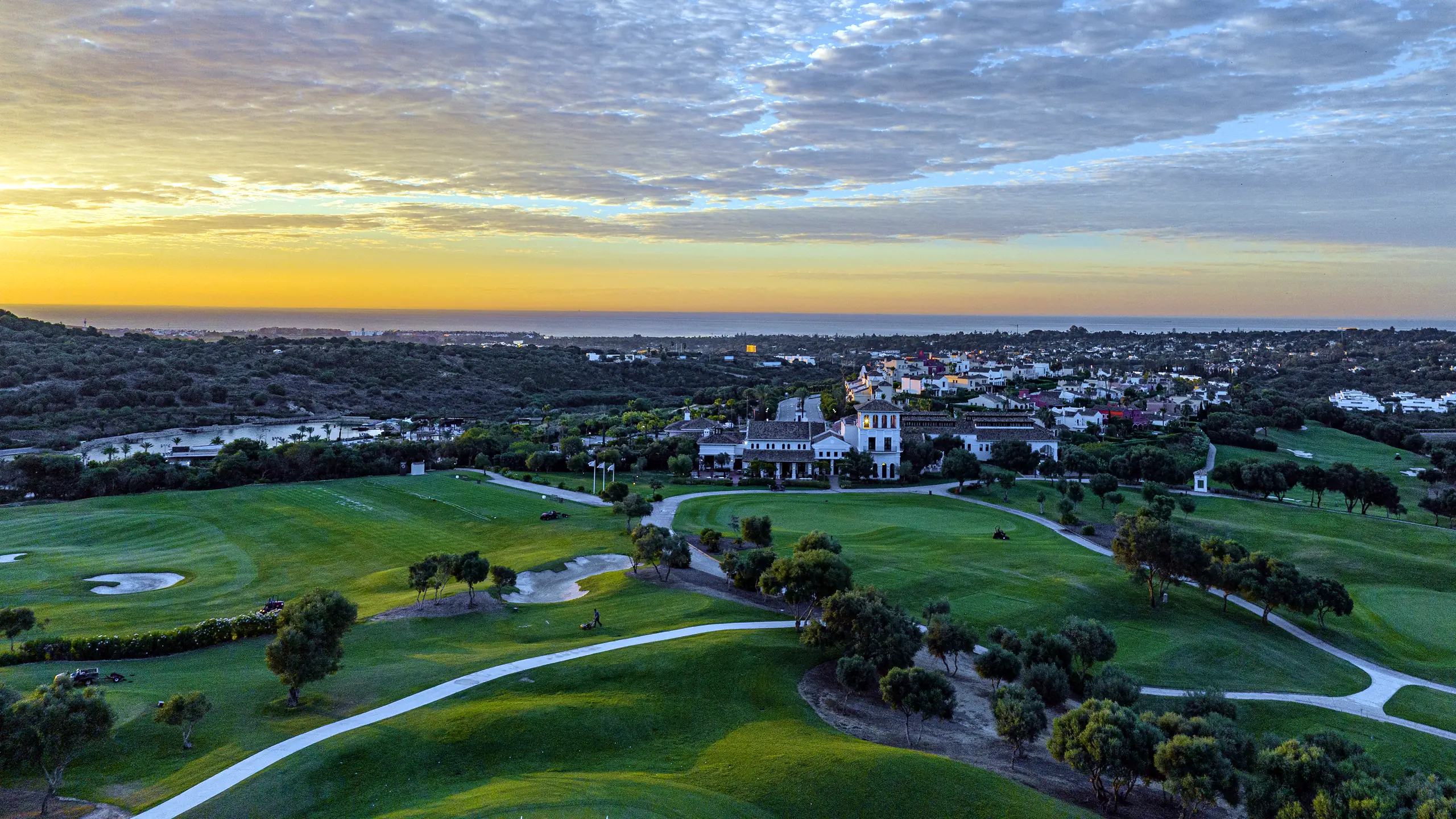
A vibrant coastal town with historic roots, broad beaches, and excellent transport to Malaga and the airport.
Torremolinos: The Town That Started It All
Before Marbella had its Golden Mile, before Puerto Banús welcomed its first superyacht, a quiet fishing village on the western shore of the Bay of Málaga was busy inventing the Costa del Sol. In 1959, the Hotel Pez Espada opened, the coast's first luxury hotel, and within a few years, Torremolinos was drawing Frank Sinatra, Brigitte Bardot, and Ava Gardner. It also became home to Spain's first gay bar, Toni's Bar, in 1962, establishing a tradition of openness that defines the town to this day.
That spirit hasn't faded. Torremolinos is now a municipality of over 70,000 residents that manages something few Costa del Sol towns can claim: it feels both genuinely Spanish and thoroughly international. Walk through La Carihuela on a Sunday afternoon and you'll find multigenerational Spanish families sharing platters of espetos alongside British, Dutch, German, and Scandinavian residents who have made this place home. It's a town with real neighbourhoods, real history, and a year-round community rather than a seasonal resort that empties come October.
Torremolinos enjoys arguably the most convenient position on the entire Costa del Sol. Málaga Airport sits just 8 kilometres away, roughly 10 min by car, making it the closest major resort to the coast's international gateway, with direct flights to over 100 destinations. Gibraltar Airport is approximately 130 kilometres southwest, around 86 min drive. The A-7 motorway skirts the town's northern edge, connecting west to Benalmádena, Fuengirola, and Marbella, and east into Málaga city, just 13 kilometres away.
What truly sets Torremolinos apart is its Cercanías commuter rail. The C1 line connects five local stations (Los Álamos, La Colina, Torremolinos, Montemar Alto, and El Pinillo) directly to the airport and to Málaga city centre in around 20 minutes. This is a practical, everyday service that residents genuinely use, removing the car dependency that defines most Costa del Sol towns.
The beaches stretch for roughly seven kilometres, connected by a fully illuminated promenade running from the Benalmádena border to the Los Álamos neighbourhood. In 2025, four beaches (La Carihuela, El Bajondillo, Playamar, and Los Álamos) hold Blue Flag status. La Carihuela regained its flag in 2025 after an absence of over two decades, reflecting ongoing municipal investment.
La Carihuela, at 2,100 metres, is the most emblematic stretch, the former fishing district where chiringuitos serve grilled sardine espetos over open flames, much as they have for generations. Bajondillo is the most central, accessible on foot directly down pedestrianised Calle San Miguel. Playamar and Los Álamos attract a more active crowd, with volleyball nets, paddleboard hire, and a vibrant beach club scene. The eastern reaches also draw kitesurfers and windsurfers when conditions allow.
Rising above La Carihuela is Parque de la Batería, a 74,000-square-metre green space with a boating lake, a 15-metre observation tower, running tracks, and over a thousand trees, the town's answer to a central park, with panoramic views stretching across the coast.
“Before Marbella had its Golden Mile, before Puerto Banús welcomed its first superyacht, a quiet fishing village on the western shore of the Bay of Málaga was busy inventing the Costa del Sol.”
Torremolinos's internal variety is a strength. La Carihuela retains its narrow streets, whitewashed cottages, and fishing-village character. The centre around Plaza Costa del Sol and Calle San Miguel is the commercial heart, anchored by the neo-Mudéjar Casa de los Navajas, built in 1925 and now a cultural venue. Los Álamos, to the east, has developed into a sought-after residential area with modern developments.
The town introduced the Costa del Sol's first Low Emission Zone in January 2024, covering a pedestrianised section of the historic centre. A Ruta de Murales, launched in 2022, has added street art paying homage to the town's Hollywood visitors and its pioneering LGBTQ+ heritage.
The Ciudad de Torremolinos Sports Stadium, with its Olympic swimming pools and athletics facilities, attracted over 900 international athletes for training in 2023. For golf, the Parador de Málaga Golf, designed by Tom Simpson in 1925 and the oldest course on the Costa del Sol, sits minutes from town. The Miguel Ángel Jiménez Golf Academy is within the municipality, while Guadalhorce, Lauro Golf, and Torrequebrada are all within 20 minutes' drive.
Padel and tennis thrive locally. The Club Deportivo Torremolinos Vista, founded in 1976, offers courts alongside social facilities, while Club La Colina provides five glass-walled padel courts just 600 metres from the beach. Municipal padel courts and the nearby Torremuelle Racket Center in Benalmádena add further options. The promenade doubles as a cycling and running route, with a functional fitness circuit running its full length.
“The Feria de San Miguel in late September is the town's crown jewel, one of the largest celebrations on the Costa del Sol, drawing over 200,000 visitors.”
The Feria de San Miguel in late September is the town's crown jewel, one of the largest celebrations on the Costa del Sol, drawing over 200,000 visitors. It begins with the Romería de San Miguel, recognised as a Fiesta de Interés Turístico Nacional, when thousands in traditional dress walk to the Ermita de San Miguel accompanied by decorated ox-carts, horses, and music. The fair itself brings daytime festivities to the town squares and evening celebrations to the fairground.
Torremolinos Pride in June is one of Spain's largest, centred on the Plaza de la Nogalera. The Día del Pescaíto (a free seafood feast on 1 June), the Virgen del Carmen maritime procession in July, the Mad.Bear Festival and Flamenco Festival in August, and Carnival in February ensure year-round cultural life. The Centro Cultural Pablo Ruiz Picasso and Príncipe de Asturias Auditorium host exhibitions and performances throughout the year.
Sunny View School, one of the oldest international schools on the Costa del Sol, provides a British curriculum. Colegio Miramar offers trilingual education in Spanish, English, and French, while Colegio Bilingüe La Latina provides comprehensive education through to sixth form. Proximity to Málaga opens access to further international schools and the University of Málaga.
Healthcare is comprehensive. The public Hospital Marítimo provides medical, surgical, and outpatient services within Torremolinos, while private options include HM Santa Elena hospital in Los Álamos and the Vithas medical centre. The Vithas Xanit International Hospital in neighbouring Benalmádena offers 24-hour emergency services with advanced diagnostics. Over thirty pharmacies, many with English-speaking staff, serve the municipality.
Torremolinos is not trying to be Marbella, and that is precisely its appeal. It offers a genuine, year-round community with the practical advantages (airport proximity, rail connections, healthcare, walkability) that make daily life comfortable rather than merely picturesque. Its established international community means new arrivals find social infrastructure already in place, while its celebrated LGBTQ+ heritage adds a dimension of openness that permeates daily life. For buyers seeking a Costa del Sol home with genuine substance behind the sunshine, Torremolinos rewards a closer look.
The map is from Google Maps, which uses cookies.
Explore nearby communities and other settings on the Costa del Sol.


